

A number of years ago, I worked on a transaction that involved two parties that were eager to make a deal happen but became paralyzed at a crucial point by fear — not fear of each other, but fear of losing the deal.
Each side was so afraid of losing the deal that both sides avoided bringing up important issues that needed to be resolved in order for negotiations to move forward. They were afraid that discussing potentially contentious issues would lead to confrontation, thus undermining the negotiations. As a result, they kept kicking the can down the road until a lack of trust in one another resulted in the death of the deal.
Classic example of a self-fulfilling prophecy: a prediction that comes true due to behaviors driven by an underlying belief that the scenario might come true. This deal was doomed from the beginning by fear dynamic — the behavior and communication patterns that occur during interpersonal interactions in which one or more of the people involved are consciously or unconsciously reacting to fears.

Back in 1933, at the peak of the Great Depression, President Franklin D. Roosevelt warned the country during his inaugural address, “The only thing we have to fear is fear itself.” Roosevelt recognized that fear had paralyzed the economy, slowing spending, investing, and hiring. He knew the only solution was to overcome fear and restore confidence.
In my case, as I witnessed this deal unravel, despite my best efforts to hold it together, I observed firsthand the devastating impact that fear can have, not only on the promise of a mutually beneficial business, deal but on the relationship of the two parties negotiating the deal. By the time negotiations collapsed, any trust and respect the two parties had for one another had turned to frustration and bitterness.
Avoiding Avoidance
When I work on transactions, I quickly identify the possible deal breakers — issues that have the potential to undermine negotiations. I make note of them during initial client meetings and subsequent phone calls, and as I review draft documents. I draw attention to them in the draft documents and encourage the two sides to discuss them. I welcome such discourse, because transparency alleviates fear and builds trust. During the deal in question, however, the parties avoided discussing the possible deal breakers, and that avoidance led to the deal’s demise.
Sometimes, deferring discussion of a difficult issue is a useful approach to achieving a specific objective, but when the avoidance of the issue affects the resolution of other issues, or when an issue clearly will be a roadblock, it needs to be discussed. It’s unlikely to simply go away and is very much likely to become a tenacious obstacle as parties become increasingly entrenched in their positions. Avoidance whittles away at goodwill until major issues seem insurmountable.
In this case, I felt powerless, with my client angry and refusing to engage, and the other side complicit in the avoidance.
Addressing Potential Roadblocks Early in Negotiations
The thought crossed my mind that either party’s avoidance could have been part of a negotiating tactic. Perhaps one side wanted to get the deal so far along that the other side would give in on the remaining issues. After all, in the game of chicken, there is always a risk of a car wreck.
However, given all the time, energy, and money wasted, I do not believe that this particular car wreck was entirely the result of a negotiating approach or a tactic gone awry. It appears both sides had certain issues they were reluctant to bend on but failed to clarify early in the process. Had the two parties identified those issues earlier and confronted them, several more attractive outcomes could have resulted:
- The deal would have been aborted much earlier, saving both parties time, energy, money, and aggravation.
- The parties could have resolved the major issues early in the process, when both were more flexible.
Flexibility to solve problems and resolve major issues is much greater early in the process. That fluidity disappears quickly as deal fatigue sets in and as options are taken off the table to resolve other issues.
Observing each party battle its fear internally and seeing the train wreck of negotiations unfold was both fascinating and frustrating. This was a win-win deal that fear transformed into a lose-lose scenario. The death of this deal could have been avoided if only the human actors had been capable of realizing they were reacting out of fear and could overcome that fear with honesty, empathy, and trust.
Fear is a natural emotion whose purpose is to protect us from danger. But it can wreak havoc in our lives, and not only during business negotiations. Fear can undermine trust in our personal relationships, discourage us from pursuing opportunities and seeking out new experiences, and erode our happiness. It can even damage our physical health.
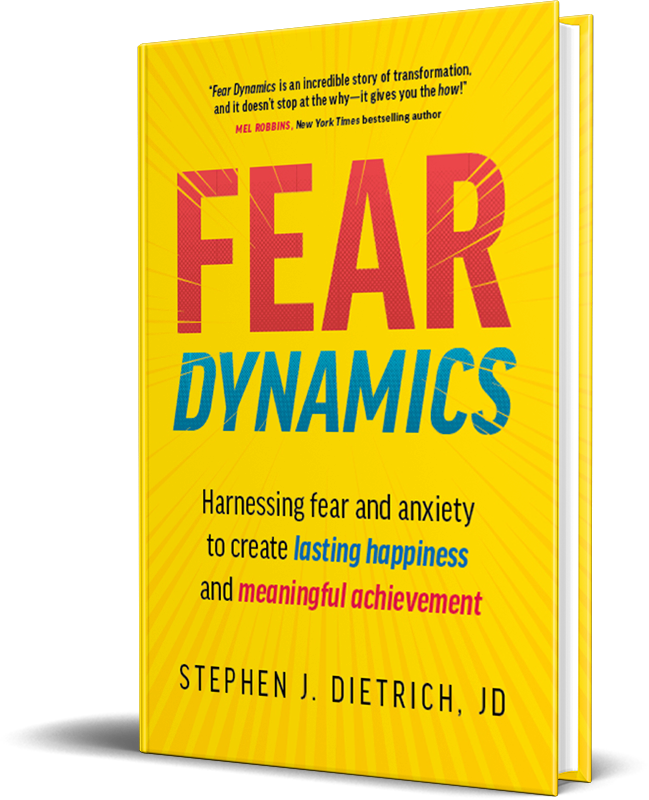
If fear is ruling your life and negatively impacting your relationships, your personal or professional development, or your ability to fully enjoy life, I strongly encourage you to seek help. You can also read my book, FEAR DYNAMICS: Harnessing Fear and Anxiety to Create Lasting Happiness and Meaningful Achievement. By developing a deeper understanding of fear dynamics and the source of your fears, you can not only build confidence, but also discover who you really are, achieve your dreams, and experience a deeper level of happiness and self-fulfillment than you ever imagined possible.
———-
About the Author: Stephen J. Dietrich, JD, is a corporate attorney who focuses on mergers and acquisitions, debt and equity financing, joint ventures, and restructuring transactions. His latest book is FEAR DYNAMICS: Harnessing fear and anxiety to create lasting happiness and meaningful achievement. Stephen often draws on insights gleaned from his personal and professional experience with fear dynamics to help his clients understand and address how these very real emotional issues can impact and complicate decisions, relationships, and negotiations.
———-
Disclaimer: The information in this blog post is provided for general informational purposes only and may not reflect the current law in your jurisdiction. No information contained in this post should be construed as legal advice from Stephen J. Dietrich, JD, nor is it intended to be a substitute for legal counsel on any subject matter. No reader of this blog post should act or refrain from acting on the basis of any information included in, or accessible through, this blog post without seeking the appropriate legal or other professional advice on the particular facts and circumstances at issue from a lawyer licensed in the recipient’s state, country or other appropriate licensing jurisdiction.

One Response